Public Safety Administration, B.S.
Program Overview
Public Safety Administration, B.S. (PSA-BS) 120 credit hours
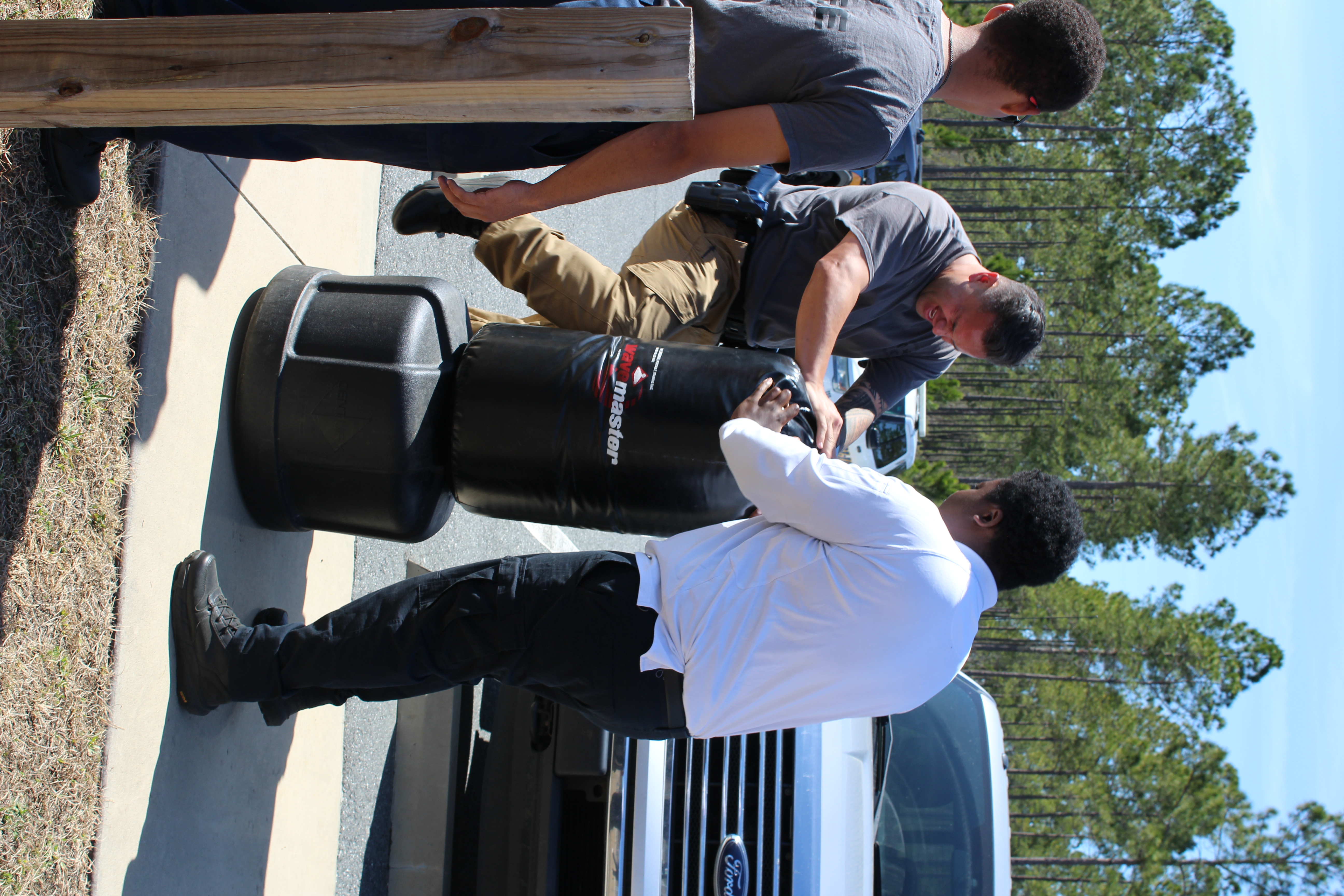
The Bachelor of Science (B.S.) in Public Safety Administration (PSA) is designed to prepare individuals to manage and lead public safety organizations. The program provides a career and educational pathway for students who have earned an Associate in Science in a Public Safety discipline or an Associate in Arts with courses chosen from the Public Safety field. Students will apply theory to practical, real-life scenarios as they develop critical thinking skills necessary for a career in local, state, or federal governments and the private sector. The program focuses on discipline-specific workforce skills related to public safety administration and personnel management, policy and law, communications, operational planning, and research methods. The B.S. in Public Safety Administration includes courses in incident management, finance and budgeting, ethics, and leadership.
Public Safety, B.S.
120 credits
total
4 pathways
from A.S. or A.A.
60 credits
previously acquired
Guided Pathway
Review the guided degree pathway where you will find a detailed plan for your courses and other requirements each semester that prepare you for graduation and your transfer goals.
Guided Pathway -- Public Safety Administration, B.S.
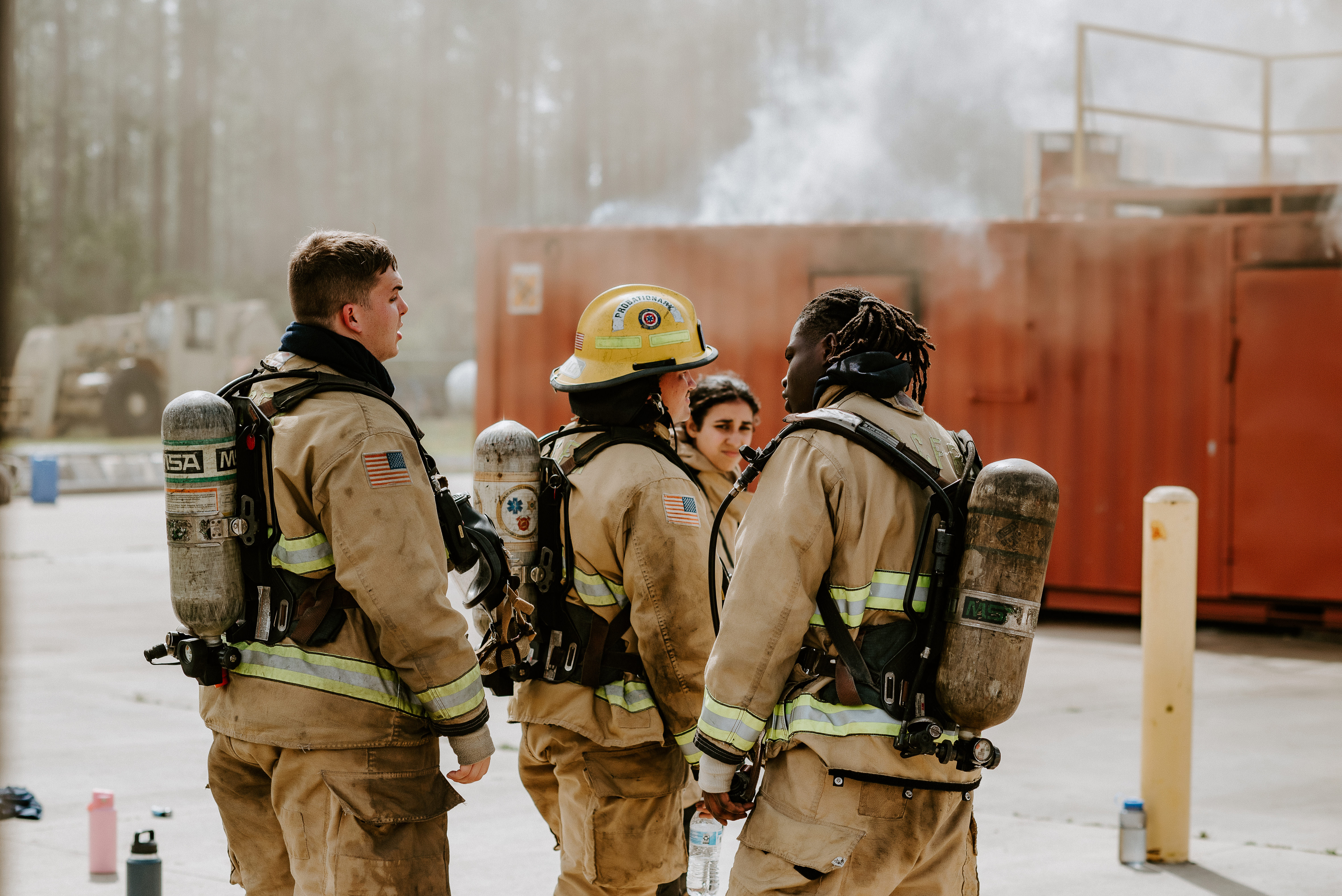
What our graduates are doing now!
Graduates will learn practical, real-life scenarios as they develop critical thinking skills necessary for leadership in careers in local, state, or federal governments and the private sector.
STARTING SALARIES
The average starting salary varies and ranges from $40,000 to $75,000.
In order to graduate with a B.S. degree in Public Safety Administration, students must complete the following program requirements in addition to the Bachelor of Science Graduation Requirements:
-
- Fulfill the foreign language requirement by completing two credits of the same foreign language in high school or completion of a postsecondary course at the elementary 2 level (meaning the second course in a foreign language sequence) in one foreign language or American Sign Language (ASL), or passing scores on the College Level Examination Program (CLEP) for the elementary 2 level course.
- Complete at least 36 Credit hours in each of the general education subject areas of communication, humanities, mathematics, natural sciences, and social sciences.
- Complete 21 credit hours of Public Safety courses numbered from 1000-2999 with the following prefixes: CCJ, CJC, CJE, CJJ CJL, EMS, or FFP
- Successfully complete all courses required for the program with a “C” or better.
Program Learning Outcomes
- Students will theorize how the diverse components of the criminal investigative process can impact a criminal complaint, from the initial report to prosecution.
- Students will discuss the evolution of policing, corrections, the courts, the juvenile justice system, and community corrections.
- Students will compare the similarities and differences of the United States legal system to other countries' systems.
- Students will recognize the various theories used to explain crime causation and discuss efforts to prevent, reduce, and eliminate it.
Cost of Attendance
Explore FGC and your Program of interest